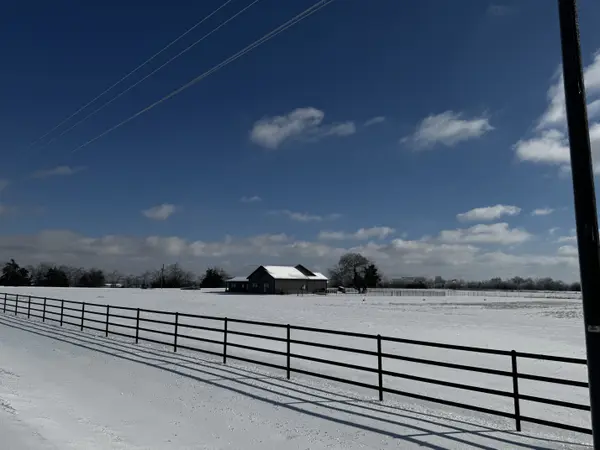
Acreage Winter Storm Readiness: Pipes, Power, Animals, and Access
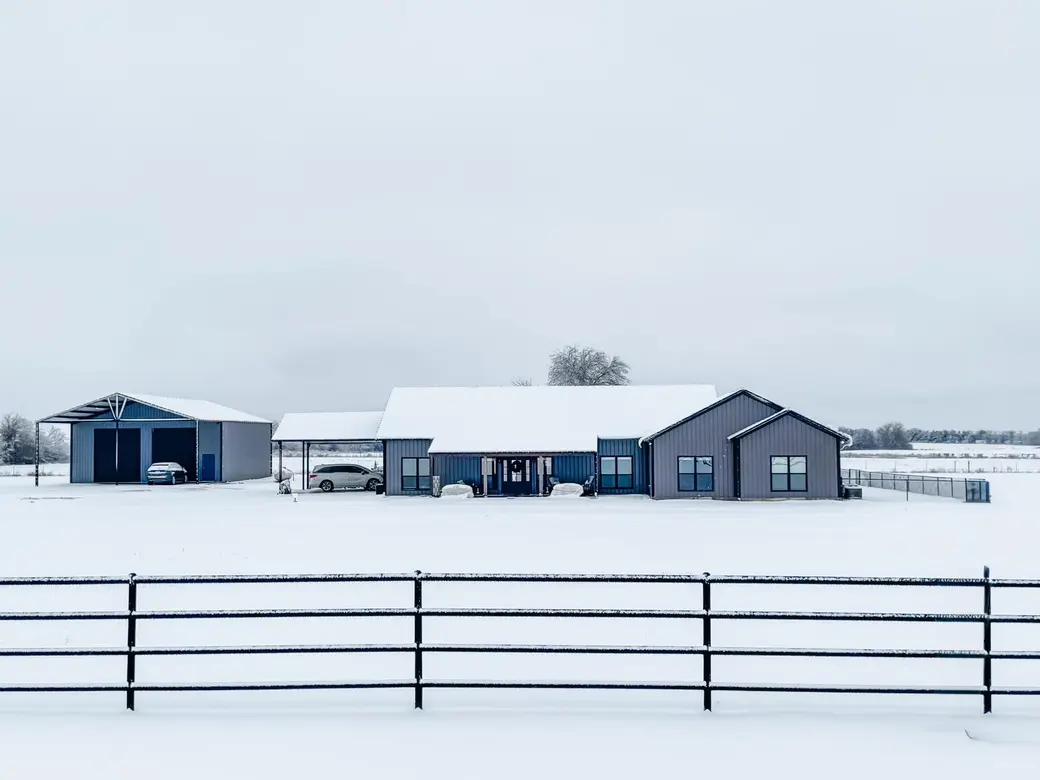
Winter Storm Prep for Acreage in Northeast Texas
If you live on acreage in Northeast Texas, winter storms hit different. A little snow or ice in town can turn into frozen water lines, slick gravel drives, and a whole new level of “How do we keep everyone safe and fed?” out in the country.
This guide is written for the real-life setup so many of our clients have: county co-op water, livestock, a generator, and a gravel driveway. Save it, print it, and use it every time the forecast starts using words like “wintry mix.”
The 4 priorities on acreage
When winter weather is coming, focus on these in order:
-
Water protection (meter box, exposed lines, interior plumbing)
-
Livestock care (windbreak, bedding, feed, water access)
-
Power plan (generator readiness, safe heat, device charging)
-
Access and traction (driveway, gates, parking, emergency route)
When you cover these four, you reduce most of the “surprise problems” that cause expensive damage and stressful nights.
Step 1: Protect your co-op water setup
Even without a well, rural water systems can be vulnerable because lines may run longer distances and can be exposed at connections, risers, or uninsulated areas.
Start with these basics
-
Locate your main shutoff valve and make sure it turns easily. Everyone in the house should know where it is.
-
Insulate exposed pipes in crawlspaces, garages, and exterior walls.
-
Disconnect hoses and store them. Cover exterior spigots with insulated covers.
-
Open sink cabinet doors on exterior walls during hard freezes to let warm air circulate.
Do not forget the meter box
Your meter box can freeze too.
-
Make sure the lid closes properly and stays covered.
-
Keep it clear and accessible, but protected from wind.
About dripping faucets
Different co-ops sometimes give different guidance depending on system capacity. A good evergreen approach is this:
-
Prioritize insulation and circulation first.
-
If you have a known problem area or pipes on exterior walls, a slow drip during the coldest hours can help.
-
If your water provider asks customers not to drip, follow their direction and focus on insulation and shutting off vulnerable exterior lines.
Step 2: Livestock winter storm readiness
On acreage, keeping animals safe is usually less about “warmth” and more about wind, wet conditions, and water access.
Shelter and bedding
-
Provide a windbreak. A shed, barn, tree line, panels, or a simple tarp setup can make a huge difference.
-
Use dry bedding so animals can get off cold, wet ground (straw, shavings, hay).
-
Keep high-traffic areas as dry as possible.
Feed plan
-
Stock extra feed. Animals burn more energy staying warm.
-
Plan for at least a few extra days beyond what you think you need, especially if roads ice over.
Water plan (the big one)
Frozen troughs can become the main headache.
-
Break ice and refresh water regularly.
-
Keep extra buckets and a simple way to haul water if needed.
-
If you use tank heaters or heated buckets, test them early and confirm your generator setup can support them.
Step 3: Generator prep that actually works
A generator is only helpful if it starts, has fuel, and you can run it safely.
Generator checklist
-
Test-run it before the weather hits.
-
Check oil and have extra on hand.
-
Stock fuel safely and store it properly.
-
Confirm you have the correct extension cords, and know what you plan to power first.
Safety reminder
Never run a generator indoors, in a garage, or near open windows. Always place it outside in a well-ventilated area.
Step 4: Gravel driveway and access
Ice on gravel can be surprisingly slick, especially on slopes and shaded areas.
Make it easier on yourself
-
Stock sand or gravel for traction.
-
Stage a shovel, headlamp, gloves, and ice scraper where you can grab them fast.
-
If your drive has a steep section, consider parking in a safer spot before it ices.
-
Check gates and latches and lubricate if needed so you are not wrestling frozen hardware later.
Freeze mode: what to do the day of
When temperatures are expected to drop and stay there:
Inside
-
Open cabinet doors under sinks on exterior walls.
-
Keep the home at a steady temperature.
-
Keep towels and a small fan or safe heater available for problem areas.
Outside
-
Cover spigots and wrap exposed lines.
-
Bring in fragile items that can crack or burst.
-
Charge phones, battery packs, lanterns, and tool batteries.
After the storm: avoid the second wave of damage
The storm is not always over when precipitation stops. Refreeze can create new problems.
-
Check for leaks under sinks, at hose bibs, and in crawlspaces.
-
Walk the property to look for downed limbs and fence damage.
-
Watch for slick spots on the driveway and around gates for a day or two after.
Your Acreage Winter Storm Kit
Keep these items together so you are not hunting for them in freezing rain.
Water: faucet covers, pipe wrap, towels, zip ties, duct tape, wrench for shutoff
Power: fuel, oil, heavy-duty cords, batteries, headlamps, lanterns, phone banks
Livestock: extra hay/feed, bedding, buckets, basic first aid
Driveway: sand/gravel, shovel, gloves
Home: blankets, pantry basics, meds, pet supplies
Categories
- All Blogs (26)
- Acreage (4)
- Ag Exempt (3)
- Buying (11)
- Buying Process (9)
- Collin County (4)
- DR Horton (4)
- Events (1)
- Fannin County (2)
- Fireworks (1)
- For Sale (7)
- Forestbrook Estates (4)
- Grayson County (2)
- Highland Homes (1)
- Historic Home (3)
- Hopkins County (2)
- Investor (1)
- Lamar County (5)
- Land & Ranch (7)
- Light Farms (2)
- Master Planned Community (5)
- New Construction (5)
- Paris (7)
- Pool (2)
- Selling (6)
- Selling Process (4)
- Sulphur Springs (1)
- The SMiles Experience (9)
- Titus County (2)
- Wyldewood Homes (4)
Recent Posts