
Buying hunting land is different from buying a house. You are buying privacy, habitat, access, and years of Sundays in the woods, and the details that make a property special are easy to miss on a quick drive-through.
Whether you want recreational land in Northeast Texas, weekend acreage, or a spot for a future cabin, this is what actually matters when you walk a property.
Access and Road Conditions
Start with how you get in and out. Is there county road frontage, or does access run across someone else's land? In wet weather, blackland clay can turn a farm-to-market road into a different animal, so ask how the last mile behaves after heavy rain. Pull up to the gate in the vehicle you will actually use and picture doing it every Friday afternoon for the next twenty years.
How the Acreage Is Laid Out
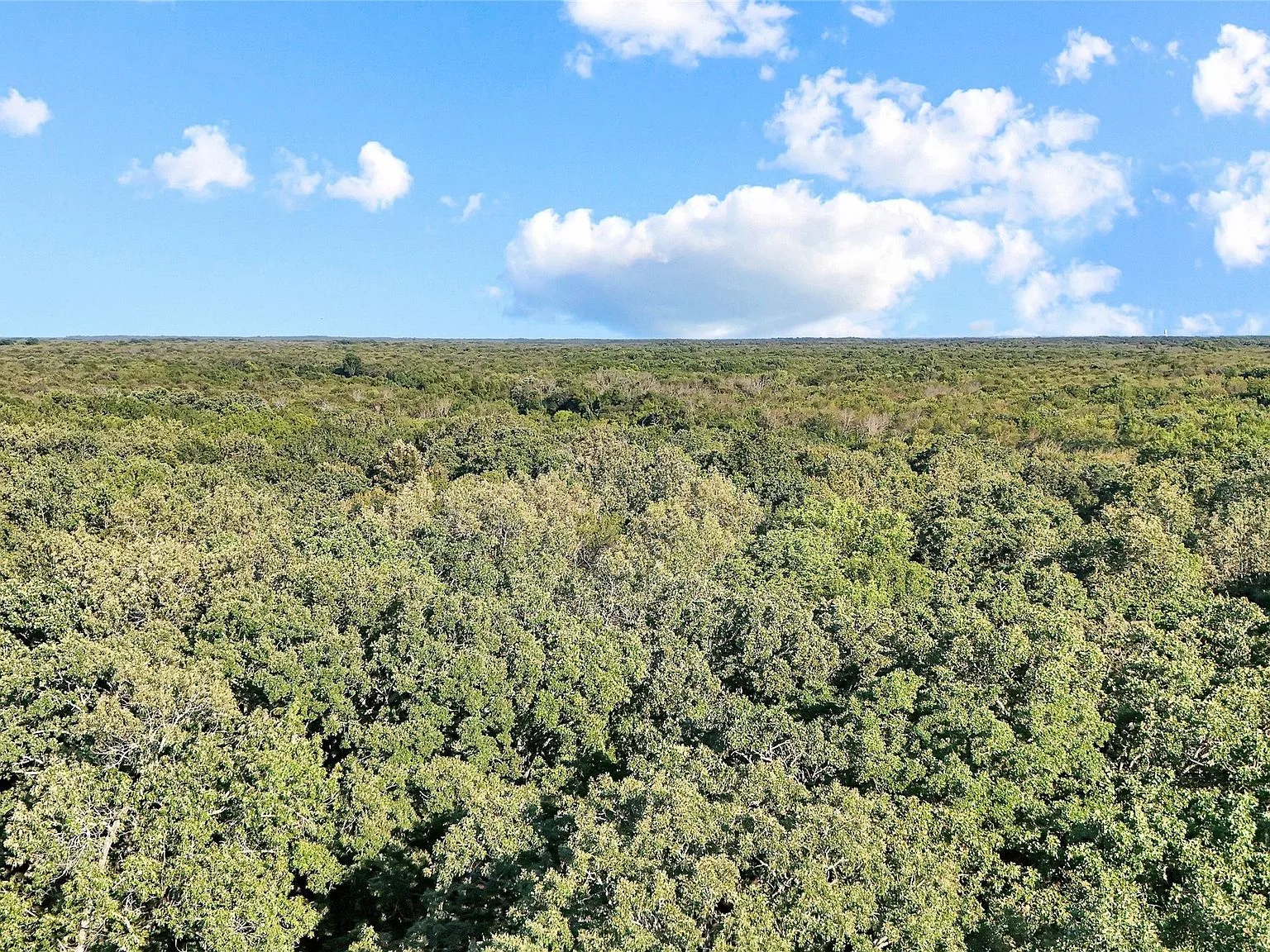
Total acreage alone does not tell the whole story. Two thirty-acre tracts can feel completely different depending on shape, frontage, and how the usable land sits. A long, narrow tract has less interior privacy than a blocky one. The best hunting land in Northeast Texas usually has a mix: open ground, interior timber, and edges where food and cover meet. Walk it, don't just look at the map.
Cabin or Campsite Potential
If a weekend cabin or base camp is part of the dream, find where a buildable site actually exists. Look for higher, well-drained ground with a good approach, and verify what the county requires for a permit, septic, and a well before you fall in love. The difference between "we could put a cabin over there" and "here is the surveyed, permitted homesite" is one of the biggest surprises for new land buyers.
Hunting Usability and Privacy
Good hunting property has travel corridors, bedding cover, and food sources, and it holds deer better when no one can see or hear you. Note how visible the land is from the road, how far the neighbors are, and whether the surrounding property is posted. Privacy is not a luxury on hunting land, it is the feature.
Water Features, Creeks, Ponds, and River Access
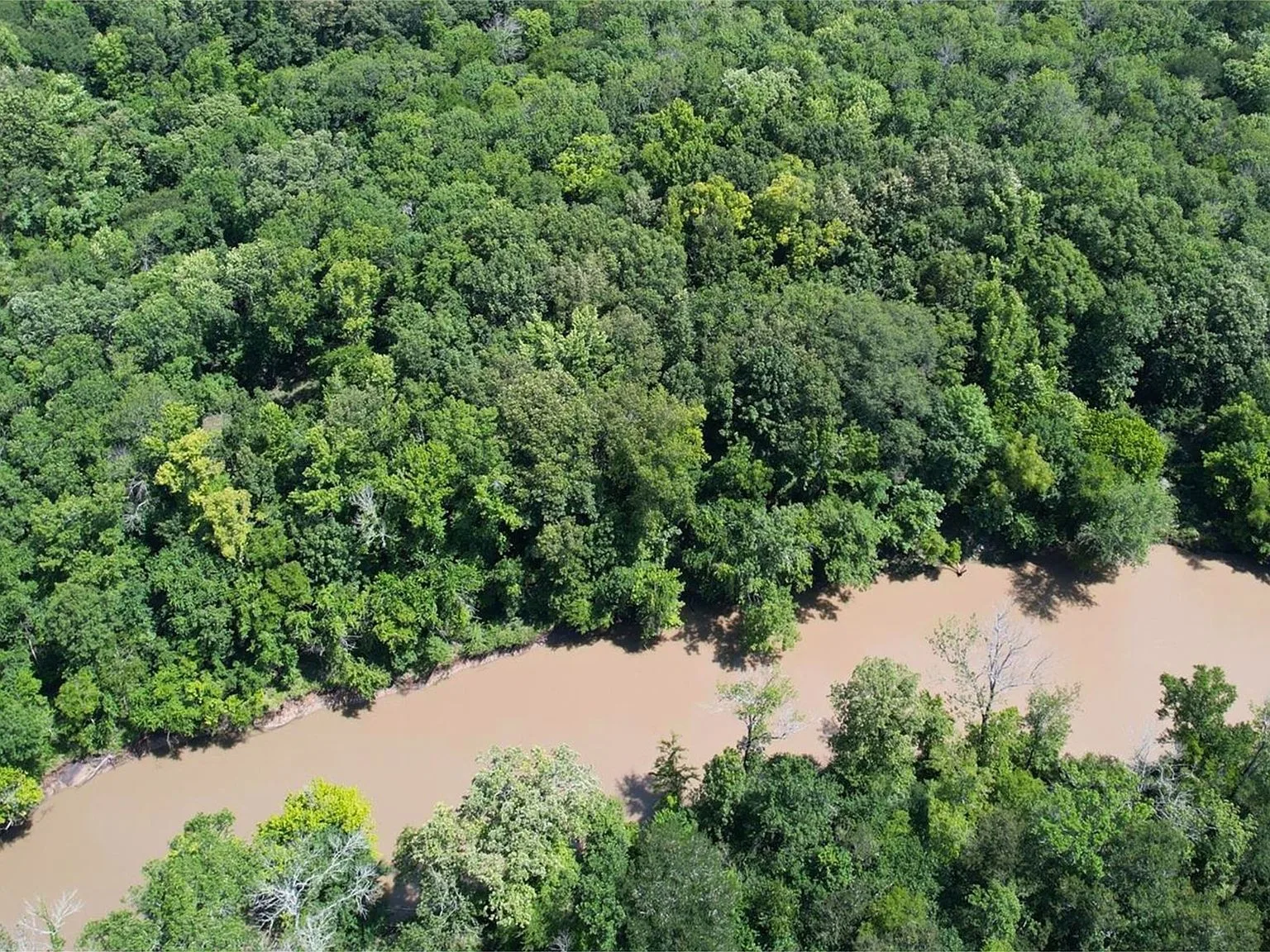
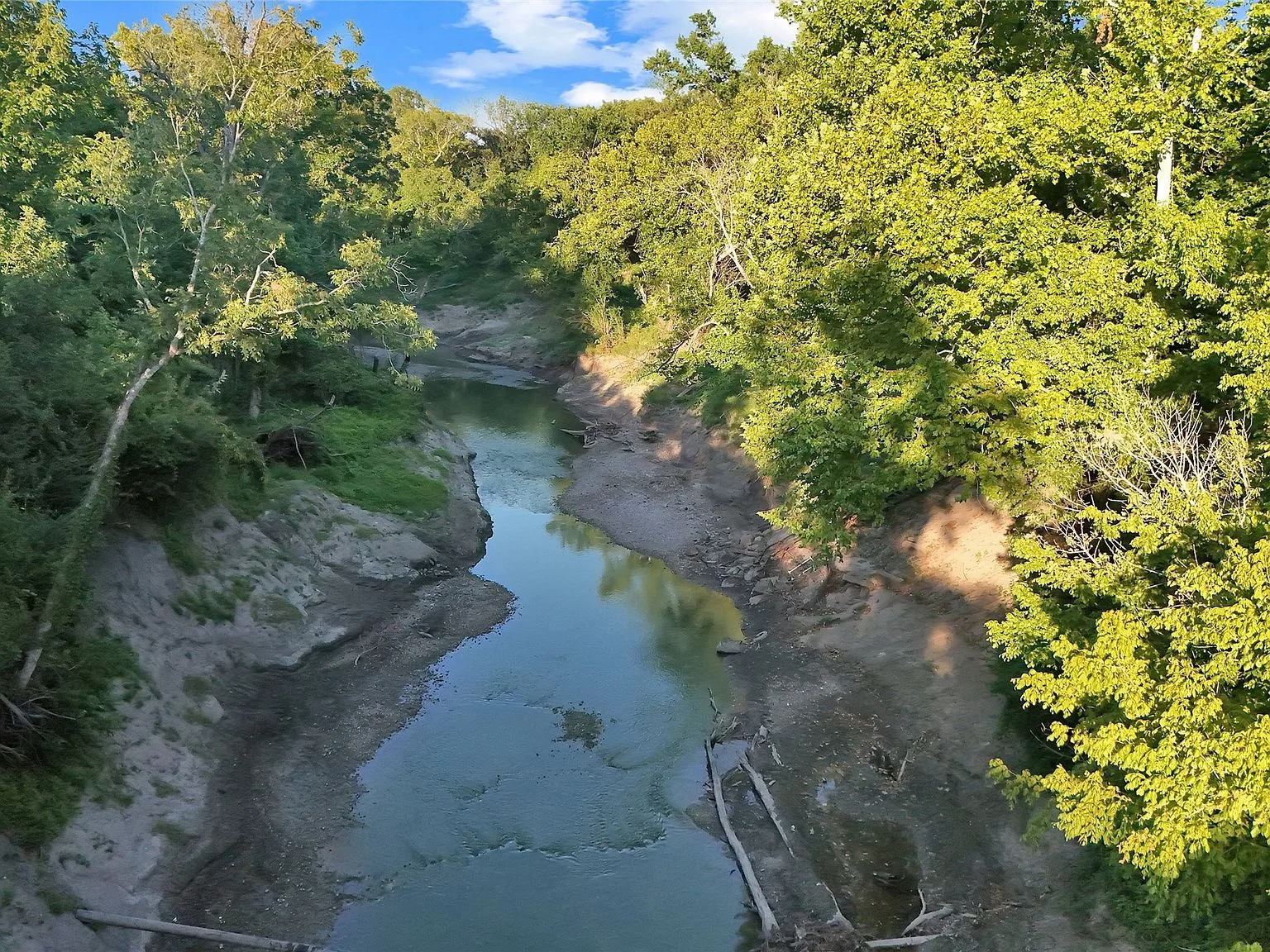
Water is a magnet for wildlife and a joy for the owner. Creeks and ponds hold deer, turkey, and ducks, and Sulphur River frontage or access can turn a good tract into a genuinely special one. Just check whether waterways are seasonal, where the bottoms flood, and whether access to the water is legally usable from your tract.
Wildlife Habitat and Terrain
Look for variety. Mature hardwoods for mast, brushy cover for bedding, grassy areas for feeding, and some change in elevation all make a property more productive and more interesting. A uniform tract of one habitat type will hold fewer animals and fewer reasons to explore.
Neighboring Land Uses
What happens across the fence matters as much as what is on the property. Hunting land, farms, and quiet timber are the good neighbors. A subdivision going in down the road, heavy oil or gas traffic, or a noisy operation nearby can change the experience entirely. Drive the surrounding roads and ask the locals.
Utilities and Future Improvements
Electricity, water, septic feasibility, and even cell service are the difference between a camp and a project. Find out how far the nearest power line and water source are and what bringing them in would cost. Rural internet is improving, but verify what actually reaches the property rather than assuming.
Floodplain Considerations
Before you commit, check the floodplain map. Creek bottoms flood, that is what makes them good habitat, but you want your cabin site, access, and campsite on ground that stays dry. Floodplain status also affects what you can build, how hard it is to permit, and what insurance looks like, so confirm it early.
Easements
Easements are the fine print of land ownership. Power lines, pipelines, and road rights can cross a property, and each one limits where you can build, ride, or hunt. Make sure you know every easement on the tract and whether your access depends on one held by someone else.
Survey and Boundary Considerations
Fence lines do not always match property lines, and "about 56 acres" can be a moving target. A current survey gives you corners you can find, a boundary you can trust, and a clean record of what you are actually buying. If there is no recent survey, that should be one of the first questions you ask.
Multiple-Parcel Properties and Flexibility
A property can be especially useful when different portions of the land serve different purposes. Nearly 56 acres divided into two parcels is a great example: a more accessible portion that works for a cabin or base camp, and a more remote, secluded portion kept wild for hunting and recreation. That kind of layout gives you a place to land and a place to escape, the best of both worlds on one purchase.
What a Buyer Should Verify Before Purchasing Recreational Land
Before you write an offer on any hunting land in Northeast Texas, verify the survey and acreage, legal access and easements, floodplain status, utilities and septic feasibility, county building rules, deed restrictions or HOA covenants, property taxes and any agricultural valuation, and mineral rights. None of this has to be scary, it just has to be checked. A good local agent walks you through every one of them.
Current Northeast Texas Example
Right now we have nearly 56 wooded acres offered as two parcels near Bogata, Texas. Around 5 acres sit in a more accessible spot that would work well for a cabin, camp, or weekend base, while the rest of the acreage is more remote and secluded, well suited for hunting and recreation, with access to the Sulphur River. If that sounds like your kind of place, take a closer look: View this 56-acre Northeast Texas hunting property.
If you are just starting to weigh acreage and rural living, our overview of buying acreage in Northeast Texas is a good place to continue.
And if you are looking for hunting land or recreational land in Northeast Texas, the Shannon Miles Group would love to help you find it. Call us at (903) 785-2005 or reach out through shannonmiles.com, and we will walk the land with you.
Frequently Asked Questions
What should I look for when buying hunting land in Northeast Texas?
Start with access and road conditions, how the tract is laid out, cabin feasibility, privacy, water features, wildlife habitat, floodplain status, easements, and a current survey. Then verify utilities, deed restrictions, taxes, and mineral rights before making an offer.
Is river access valuable on recreational land?
Yes, when it is legal and usable. River access adds wildlife value, recreation, and long-term appeal, but verify that the access is real, that it stays usable in dry and wet seasons, and that floodplain rules do not complicate your plans.
Is it better for hunting land to be one parcel or multiple parcels?
It depends on the layout. Multiple parcels can create flexibility, like a smaller accessible area for a cabin or camp plus a more remote, secluded tract for hunting. The layout matters more than the number of parcels.
Can I build a cabin on hunting land?
Often yes, but only where the land and the county allow it. Verify a suitable buildable site, septic and well feasibility, permits, and floodplain status before you buy.
Why does property layout matter when buying acreage?
Because acreage alone tells you very little. Shape, frontage, usable ground, timber, privacy, and where the buildable sites sit determine how the land actually works for hunting, a camp, or a future home.
Ready to find your hunting land in Northeast Texas?
Whether you are after recreational acreage, a weekend camp, or a year-round hunting tract, we will help you narrow it down and walk the land with you. Call (903) 785-2005 or send us a message.

Shannon Miles Group
eXp Realty | Paris, TX
Shannon and Scott Miles are a husband-and-wife real estate team serving Northeast Texas. As founding members of the eXp Land and Ranch Division, they specialize in land, ranch, residential, commercial, and new construction across Lamar County and beyond.