
288 Acres in [City], TX
Coming Soon
A 288-acre property in [County], Texas. Details, photos, and maps coming soon. Scan the QR code on the sign rider to visit this page for updates.
This page will be updated with full property details, photos, and maps once the listing is live. Check back soon.
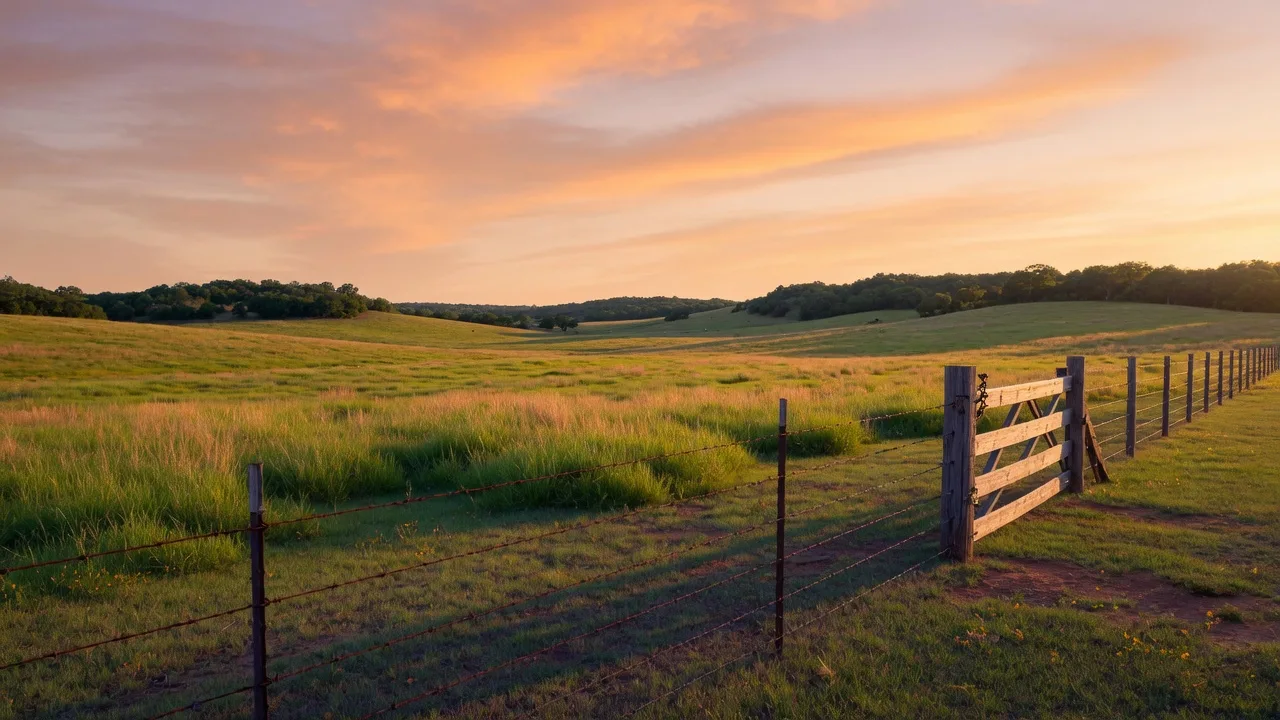
Acreage and Land in Northeast Texas
Space, freedom, and opportunity on your own land.
Whether you are looking for a few quiet acres outside of town or a large tract for farming, ranching, hunting, or investment, Northeast Texas offers some of the most affordable and versatile land in the state. Shannon Miles Group helps buyers find acreage across Lamar, Fannin, Grayson, Red River, Delta, Hopkins, Hunt, and surrounding counties, and through Scott Miles' Oklahoma license the team also serves acreage buyers across Southeast Oklahoma, including Durant, Hugo, Atoka, Idabel, Broken Bow, and Hochatown. For buyers focused on Lamar County, the Lamar County land and rural property guide is the place to start.
Featured Acreage
No acreage properties currently listed. Check back soon, or contact us to be notified when new land becomes available.
Contact UsWhat Can You Do With Acreage?
Homesteading
Raise chickens, grow a garden, and build a self-sufficient lifestyle on affordable land. Northeast Texas offers some of the most accessible entry points for homesteading in the state.
How to Start HomesteadingFarming and Ranching
Grow crops, raise cattle, produce hay, or run a small agricultural operation. The fertile soils of Lamar, Fannin, and surrounding counties support a wide range of farming and ranching activities.
Farm and Ranch AnswersHunting and Recreation
Create a private hunting retreat with deer, turkey, dove, and hog opportunities. The Red River corridor and Sulphur River basin provide excellent habitat for a variety of game species.
Hunting PropertiesEquestrian
Keep horses on acreage with room to ride, pasture, and board. Northeast Texas properties often include barns, arenas, and turnout space for equestrian use.
Equestrian PropertiesAcreage Homesites
Build your dream home on acreage with privacy, views, and room to breathe. Country homes with shops, guest houses, and workshop space are popular throughout the region.
Investment
Purchase land as a long-term investment and potential income source through leases, timber, or agriculture. Affordable acreage in Northeast Texas offers strong value and appreciation potential.
Ag Valuation GuideTimber and Recreational
Own land for timber production, wildlife habitat, or weekend recreation. The Sulphur River basin and Red River bottomlands feature mature hardwood timber, wetlands, and diverse wildlife. Our guide to what wooded land is really worth walks through how timber is priced and taxed before you buy or sell.
Agricultural Exemptions in Texas
One of the biggest advantages of buying acreage in Texas is the potential for an agricultural valuation, also known as an ag exemption. This allows qualifying land to be taxed based on productivity value rather than market value, which can significantly reduce your property taxes.
What Is an Ag Valuation?
An agricultural valuation is a special appraisal method under Texas law that values land based on its agricultural productivity rather than its market value. This means your taxes are calculated on what the land can produce, not what a developer would pay for it.
How Much Can It Save?
Depending on the county and land value, an ag exemption can reduce property taxes by 50 to 90 percent or more compared to taxing the land at full market value. It is one of the most important financial factors to understand when buying acreage in Texas.
Common Qualifying Uses
To qualify for an ag valuation, the land must be devoted principally to agricultural use. Common qualifying uses include livestock grazing, hay production, timber management, wildlife management, crop farming, and beekeeping on qualifying acreage.
How to Maintain the Exemption
Once qualified, you must continue the agricultural use year after year. If the use changes or stops, the land may lose its exemption and you could face rolled-back taxes for previous years. Working with a knowledgeable real estate agent helps you understand these requirements before you buy.
Does It Transfer to the New Owner?
In many cases, yes. When a property already has an agricultural exemption, it generally stays with the land and transfers to the new owner at closing, provided the new owner continues qualifying agricultural use. This is an important consideration when evaluating acreage.
What to Look For When Buying Acreage
Buying land is different from buying a house. Here are the key factors to evaluate before you make an offer on acreage in Northeast Texas.
Soil Quality and Pasture Condition
The quality of soil determines what the land can produce. Native grasses, improved pastures, and tillable fields each have different soil requirements. A soil test tells you about nutrients, drainage, and suitability for your intended use.
Evaluating Pasture QualityWater Access
Ponds, creeks, wells, and community water connections all affect the usability and value of acreage. Understanding water rights, well permits, and water quality is essential when buying rural property.
Water Sources on Ranch PropertyFencing Condition
Good fencing keeps livestock in and trespassers out. Evaluating fence type, condition, and whether boundary lines are clearly marked is important, especially for properties intended for grazing or horses.
Evaluating FencingRoad Access and Frontage
Legal road access is critical. Does the property front a public road, or does it require an easement? Paved frontage adds value and convenience, while unimproved roads may limit year-round access.
Understanding Road FrontageUtilities Availability
Electric, water, internet, and septic are not guaranteed on rural land. Knowing what utilities are available and what it costs to bring them to the property can make or break a purchase decision.
Checking Utilities | Septic Permits ExplainedDeed Restrictions
Some rural properties have deed restrictions that limit what you can do with the land. Restrictions can cover everything from minimum home size to types of livestock and structures. Always check before you buy.
Checking Deed RestrictionsSurvey and Boundaries
A land survey establishes property boundaries, easements, and encroachments. It is one of the most important steps in the due diligence process when buying acreage in Texas.
Do I Need a Survey?Due Diligence Before Buying
Beyond the specific items above, every land buyer should understand easements, mineral rights, flood zones, zoning, and the full set of due diligence steps before making an offer.
What to Know Before Buying LandWhat Are the Rules for Ponds and Water on Texas Acreage?
In Texas, the rules for building a pond or lake on rural land come down to where the water comes from, how big the impoundment is, and what the water is used for. A stock tank filled by rainfall runoff is private and needs no state permit. Water diverted from a creek or river is state-owned surface water and generally requires a TCEQ permit. And groundwater beneath your land is private under Texas' rule of capture, though local groundwater districts may regulate wells. These distinctions shape what you can do with a property, so they belong on every acreage buyer's checklist.
The stock tank exemption
Under Section 11.142 of the Texas Water Code, no TCEQ permit is needed to build a dam or reservoir that stores up to 200 acre-feet of water, as long as the water is used only for domestic, livestock, fish, or wildlife purposes. Commercial uses, such as irrigating a venue or vineyard, can disqualify the exemption. That is why the first question about any pond plan is always: what is the water actually for?
Rainfall runoff versus creek water
Diffused surface water, meaning rainfall runoff that has never entered a defined watercourse, is privately owned, and an impoundment fed by it needs no state water-rights permit. Water flowing in a creek, river, or stream belongs to the state, and diverting it generally requires a TCEQ water-rights permit under Texas' prior-appropriation system. A pond placed on a draw can cross this line, which is why an experienced land agent and an attorney review the water facts on any tract with a planned impoundment.
Dam safety and local permits
Dams over six feet tall fall under the TCEQ Dam Safety Program, though a 2013 rule exempts many private, smaller impoundments from dam-safety permitting: dams on private property with less than 500 acre-feet of capacity, a low or significant hazard rating, in a county under 350,000 population, and not in a floodplain. Local rules still apply. Counties and cities typically require floodplain development permits for work in the 100-year floodplain, and some require engineering review regardless of state exemptions.
Groundwater and wells
Groundwater in Texas is owned by the landowner under the rule of capture, so you can pump water from beneath your own land without state permission in most of the state. Groundwater Conservation Districts regulate wells locally, but under Section 36.117 of the Texas Water Code, wells used solely for domestic use or livestock on a tract larger than 10 acres and incapable of producing more than 25,000 gallons per day are exempt from district drilling permits. Well drillers must be licensed, and the driller files a well report with TCEQ. For the Lamar County specifics on drilling, see our guide on whether you need a permit to drill a well in Lamar County.
Water is the most consistent premium in rural land pricing, which is why buyers weigh ponds, creeks, and wells so heavily. Our sourced guide to per-acre ranch land prices in Northeast Texas explains how water moves the number, and the Answer Book covers the related questions in depth, including whether you own the water under your land and what to know about ponds and water sources on ranch property.
Geographic scope: Texas. Property type: rural acreage, ranch, and land. Sources: Texas Water Code Sections 11.142 and 36.117; TCEQ Dam Safety Program; Texas A&M AgriLife water law materials. Last updated: October 14, 2026. Rules vary by location and use; confirm with the applicable district or agency before any earthwork.
Areas We Serve
Shannon Miles Group helps buyers find acreage and land across Northeast Texas and Southeast Oklahoma, including:
Ready to Find Your Acreage?
Tell us what you are looking for. We will let you know when the right property comes along.
Shannon Miles Group · eXp Realty
2322 Lamar Ave., Paris, TX 75460
(903) 785-2005 · hello@shannonmiles.com
License: 0734748 · Serving Northeast Texas and Southeast Oklahoma